
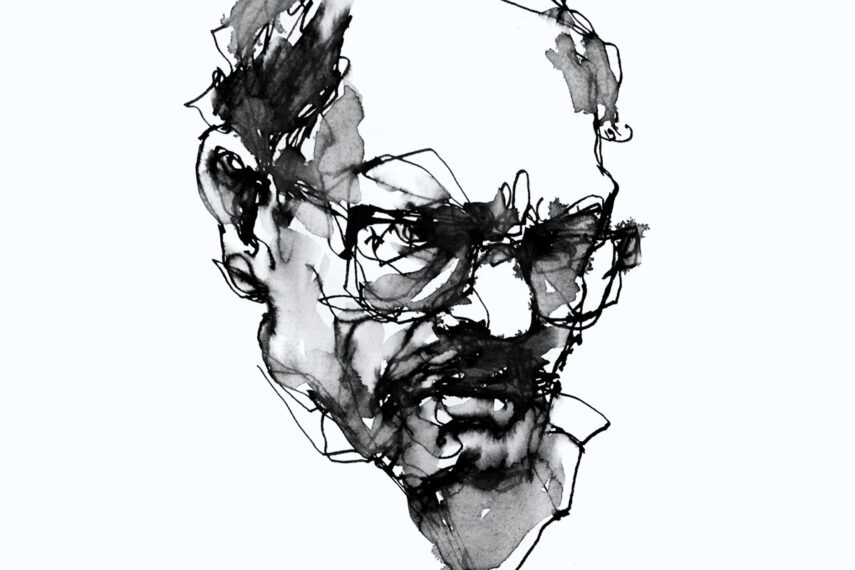
Sketching the Invisible
Drawing the Mind, Not the Face
Some sketches stop people for reasons they can’t quite explain.
They’re not detailed, perfect, or realistic, yet they hold something that feels alive.
I’ve often been asked why my simple sketches seem to carry emotion, how a few uneven lines can hold a story, a moment, or the quiet pulse of what someone is feeling inside.
Maybe it’s because I don’t try to capture faces.
I try to capture states of mind.
The Habit of Watching
Long before I began sketching seriously, I was already studying people quietly.
During my college years, I was fascinated by body language and face reading.
Every day, I traveled from Lonavala to Pune for college, and later for my job in an advertising agency.
Those journeys lasted almost nine years in all, and I think of them now as my first studio.
The mornings began with the 5:30 train, half asleep and full of stories waiting to unfold.
I often sketched inside the train, quick lines of strangers lost in thought, the man reading his paper, a woman resting her head against the window, the vendor calling through the noise.
Sometimes, in the evenings, I would sketch people on the platforms while waiting to return home.Even when I wasn’t sketching, I was observing.
Faces, gestures, postures, silences.
How people carried their day in the way they sat, leaned, waited.
Those long hours of travel taught me more about human nature than any classroom could.
I didn’t realize it then, but I was already learning to see.
The Moment Between Movements
When I draw now, I look for those same fleeting moments, when a thought passes, when a gesture reveals what words cannot. It could be how someone leans on a chair, how their eyes drift, or how their hands fall still between movements. That’s where truth lives, in gestures that last only a second but say everything.
The Visual Cues of Emotion
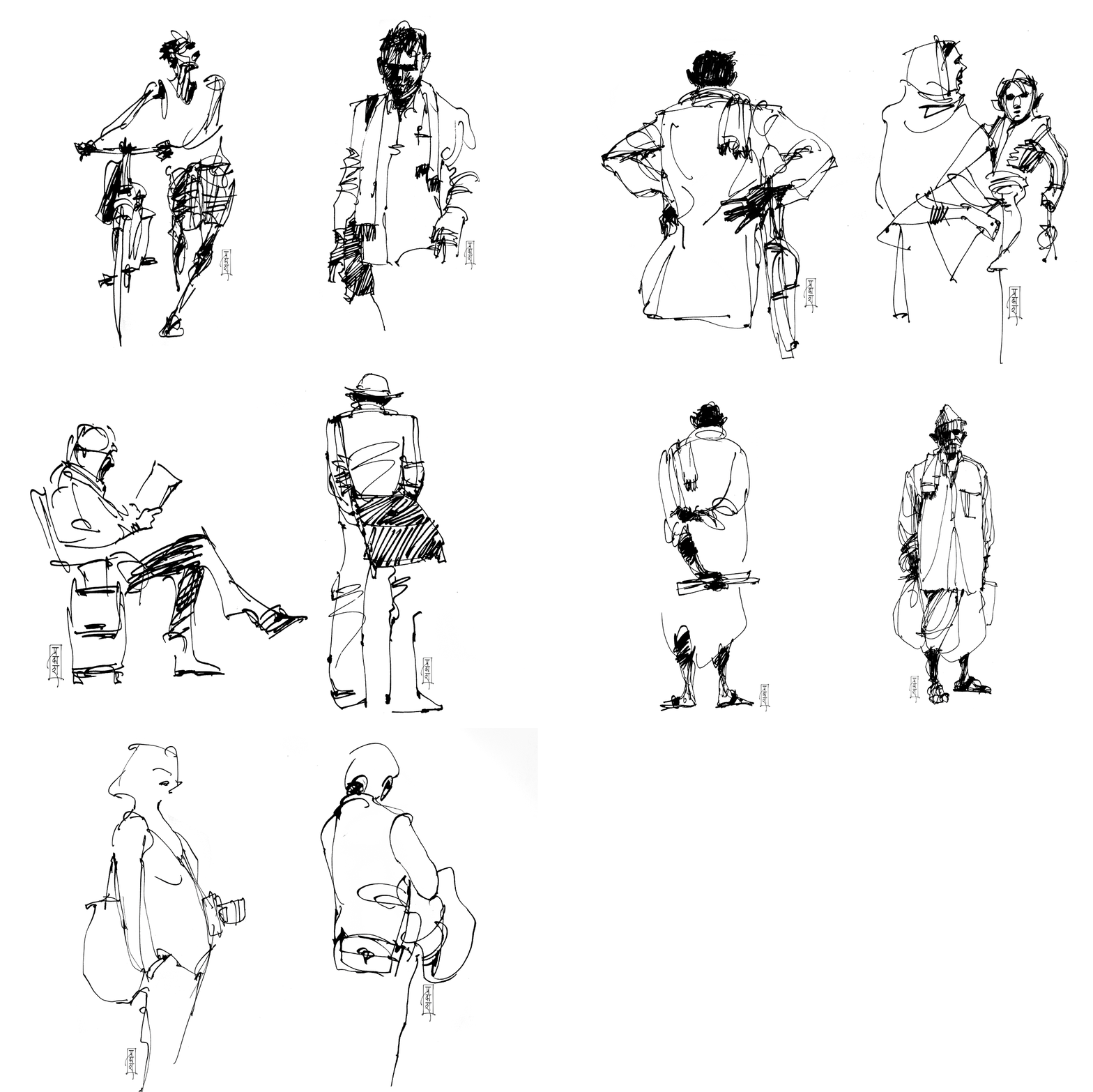
In photography, they call them visual cues, small details that reveal something deeper.
In sketching, they’re my language.
The torn edge of a shirt, the loosened grip of a hand, the slouch that carries fatigue, these become the anchors of my drawings.
They hint at who a person is, or what they might be feeling, without ever needing to finish the story.
My sketches are rarely complete because people rarely are.
I draw enough for the viewer to feel the rest.
Drawing Fast to Stay Honest
I draw fast, not for style but for honesty. If I stop to think, I lose the moment. Quick lines keep me close to the truth, before doubt and perfection try to intervene. It’s not about finishing a drawing. It’s about catching what’s alive before it fades.
Presence Over Perfection
I’ve never aimed to make portraits that look like someone. I want them to feel like someone. That sense of presence, quiet, raw, and unguarded, is what I chase every time my pen touches paper.
Each line is not a likeness, but a reflection, a trace of something seen, felt, and understood in silence.
– Prakash Thombre